


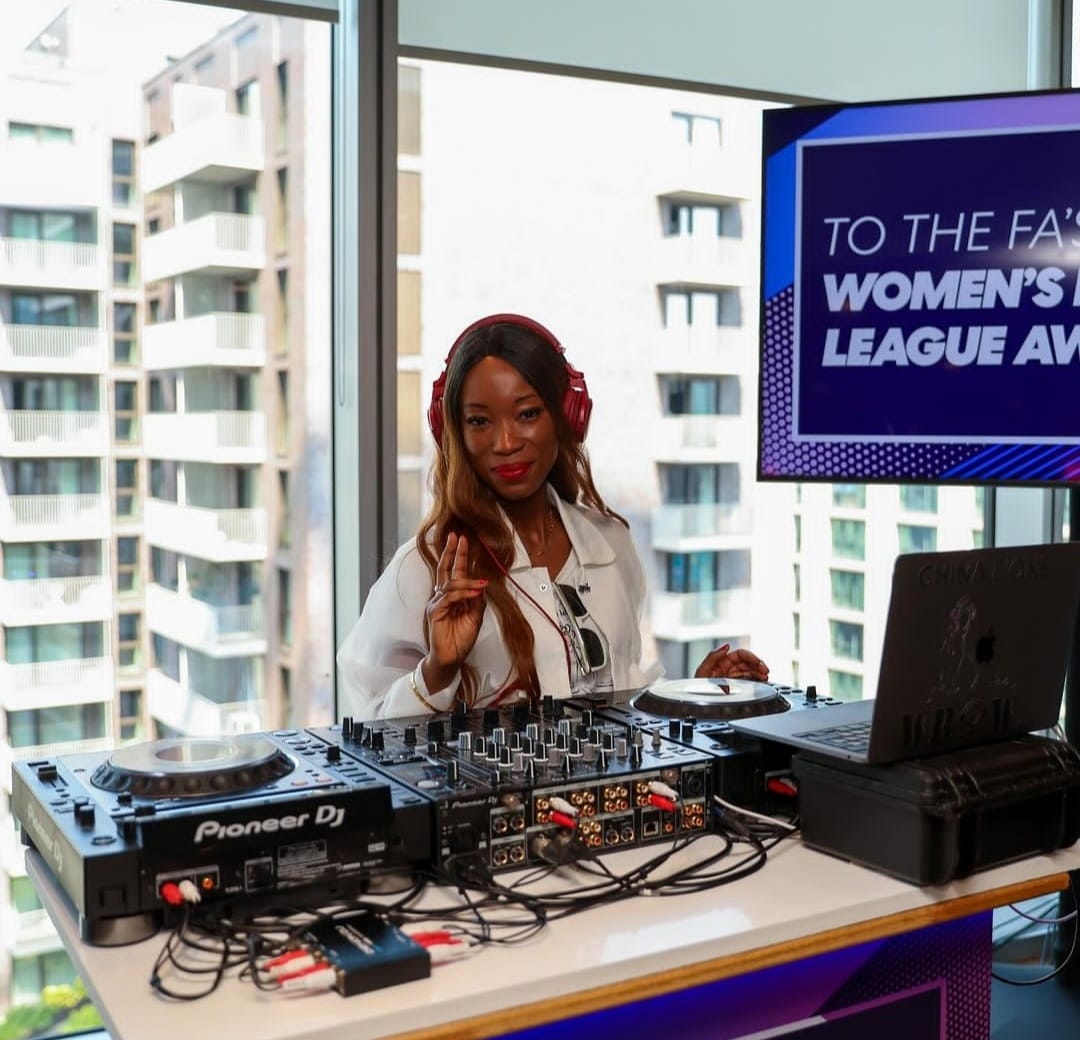

By China L’One, Founder of We Run The World, a UK-based, Black-owned, all-female DJ agency
January is often a quieter trading period, but it is also one of the most strategic moments in the retail calendar. With customers more selective about how and where they spend their time, physical spaces need to work harder to feel welcoming, relevant, and memorable. That said, one of the most effective – and frequently underestimated – tools available to retailers is music. When used intentionally, it does far more than fill silence; music shapes how customers feel, how long they stay, and how they remember a brand.
In my experience, delivering music programming for retail spaces and live activations, sound is one of the fastest ways to influence behaviour without changing layout, stock, or staffing. Here, I share my insights to help businesses improve their sound strategy, thereby increasing footfall, dwell time, and brand loyalty from January onward.
Using music to shape mood and dwell time
Tempo, genre, and volume all affect customer behaviour. Slower, warmer music can encourage browsing and increase dwell time, while more upbeat selections can energise a space and support higher footfall during peak moments. The key is alignment: music should reflect the pace you want customers to move at and the emotional tone of your brand. In January, when shoppers are often cautious but open to inspiration, music that feels optimistic and considered can create a sense of ease and encourage longer visits.
Why live DJs create stronger engagement
While playlists are convenient, live DJs bring a level of responsiveness that recorded music cannot. A skilled DJ can read the room, adjust energy in real time, and create moments that feel personal rather than programmed. For launches, sales periods, or in-store experiences, this human element often translates into higher engagement and stronger brand recall. Customers notice when something feels ‘alive’, and that sense of occasion can turn a routine visit into a memorable one.
Common in-store sound mistakes and how to avoid them
One of the most common issues we see is music that feels disconnected from the brand or the audience. Too loud, too generic, or poorly timed sound can distract rather than enhance. Another frequent oversight is treating music as an afterthought rather than part of the customer journey. The solution is simple: plan music with the same intention as visual merchandising. Consider who your customer is, how long they are likely to stay, and what you want them to feel when they leave.
Building loyalty through values-led music choices
Music is a powerful way to express brand values. Thoughtful programming that reflects inclusivity and cultural awareness can help customers feel seen and understood. For example, choosing female DJs not only brings fresh perspectives and energy to a space, but also signals a commitment to gender diversity and representation. This simple yet intentional choice can enhance brand perception, create stronger emotional connections with audiences, and reinforce loyalty – all while supporting broader industry equity.
Budgeting for music as part of the experience
Music should be viewed as an investment in experience, not an optional extra. Budgeting early allows brands to test formats, measure impact, and refine strategy over time. Even small, well-planned activations can deliver meaningful returns when sound is integrated into the wider customer journey.
January is the ideal time to rethink sound strategy. It offers space to test new ideas, gather insight, and plan music-led experiences that support footfall, dwell time, and loyalty throughout the year. When music is treated as a strategic tool rather than background noise, it becomes one of the most effective ways to connect with customers and set the tone for the months ahead.
Share this story


February 2026 issue
2025 A1 Buyers Guide