



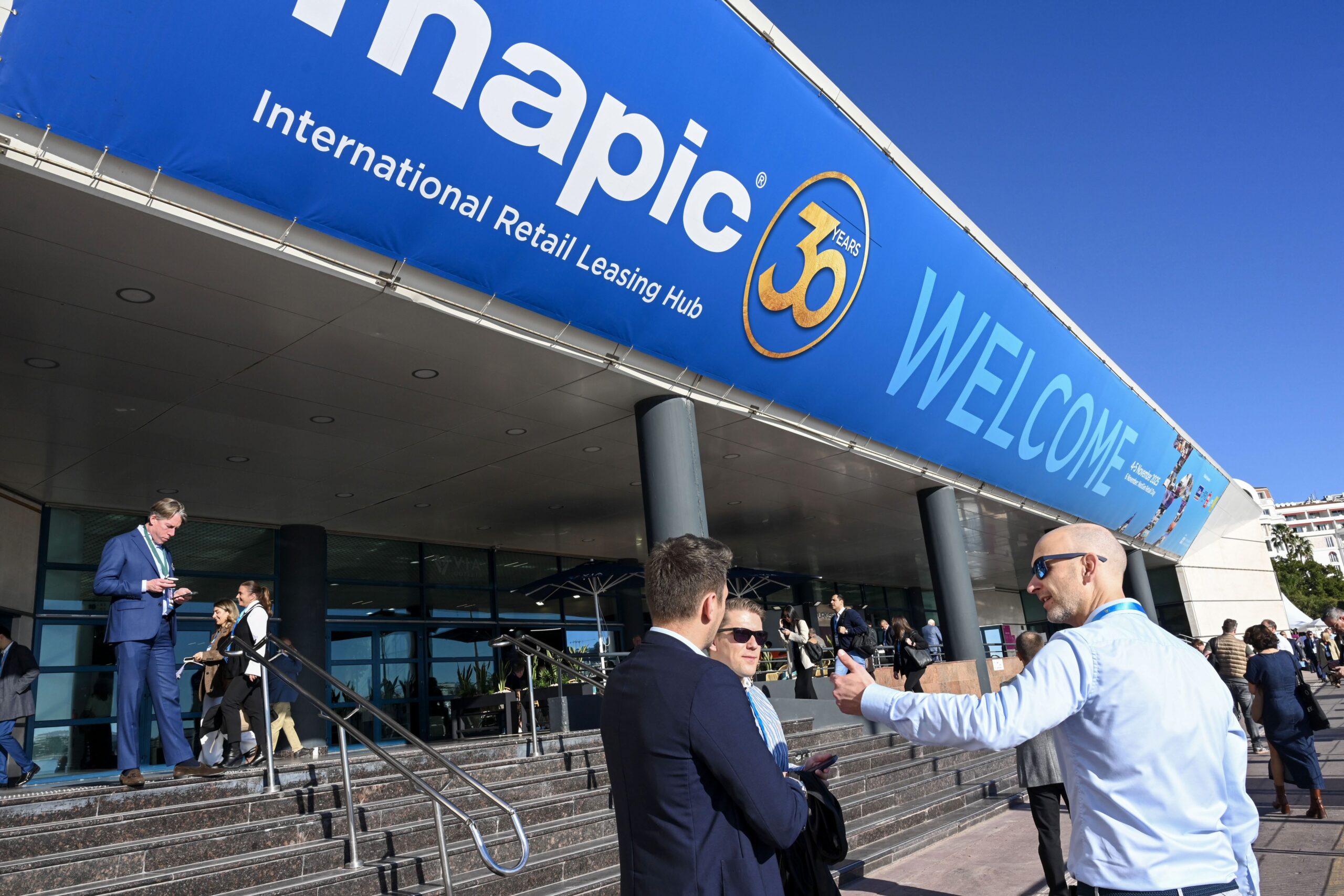
- Retail warehousing to take centre stage at this year’s MAPIC
- Report from MAPIC highlights continued demand from institutional capital
- Meanwhile, strong occupier demand is fuelling rental growth
As Europe’s best performing retail property sector over the past 18-24 months, there will be a special focus on retail warehousing at this year’s edition of MAPIC. Institutional capital has returned with investment volumes rising materially across Europe as investors are attracted by strong fundamentals such as constrained supply, continued occupier demand, rental growth potential and the opportunities presented by the evolution of retail parks into hybrid retail, fulfilment and mixed-use assets.
A recent report undertaken by MAPIC, in partnership with Mercialys and Imocom Partners, highlights the key characteristics of the European retail warehousing market and points towards continued growth in the sector.
Against a backdrop of increasing liquidity after the interest-rate shock, retail warehousing has emerged as retail’s most active asset class, having achieved investment volumes of €13.9bn in 2024 (versus €8.5bn for shopping centres and €11.5bn for high streets).
Investor sentiment has been buoyed by the sector’s outperformance across a number of key metrics, including:
- Pricing dynamics: focus on mass-market categories and essential goods that align with consumers’ price sensitivity despite challenges to consumer spending.
- Convenience retail: trusted brands, easy access, ample parking, and quick shopping experiences.
- Omnichannel enabled: structurally well-suited to click-and-collect services and efficient order fulfilment.
- Essential goods: the most successful projects are anchored by convenience and necessity-based retail, encouraging repeat visits even in unstable macroeconomic conditions.
UK leads European activity
The UK’s retail market is the largest by volume of floorspace with some 10.2 million sq m across 1,500 schemes. The lack of current development pipeline is fuelling investor activity, culminating in some €1.7bn of transactions completed during H1 2025, with major institutional investors including Aviva, British Land and Legal & General among the sector’s most acquisitive players.
Vacancy rates remain historically low at just 4.6 percent, driven by continued demand from the sector’s key occupiers including Next, H&M, M&S, Boots and TK Maxx. This, alongside a limited development pipeline, is driving current rental growth levels of 2-3 percent per annum.
A European success story
The fundamentals driving retail warehousing’s success story remain a common theme throughout Europe. Investor coincidence in European retail warehousing has rebounded with renewed activity in major markets including France, Germany, Iberia and Italy.
The wider European market is currently projecting rental growth of 3.5 percent per annum, alongside yields of 5.9 percent, which is driving activity from players including Redevco, Frey and Pradera. While the UK remains the deepest and most liquid retail warehouse investment market in Europe, Spain and Italy were among the fastest-growing investment markets in 2025.
A constrained pipeline
After a decade of moderate development, annual retail park completions across Europe are expected to reach approximately 1 million sq m in 2026.
However, this growth is highly concentrated geographically. Central and Eastern Europe (CEE) and the Iberian Peninsula account for most new projects, while mature markets such as the UK, France, and Germany remain focused on optimising and repositioning existing assets rather than expanding overall stock.
The evolution of the retail warehousing market will be at the centre of discussions during the MAPIC’s Retail Parks Forum, a closed-door event bringing together industry stakeholders for high-level conferences and networking sessions.
Share this story

August 2026 issue

2026 A1 Buyers Guide